Identifying title of the idea:
Introduce seVLR Voting rights: Power to define governance-selected fee advantages for specific pairs
DAO-recognized name:
jameskbh
Individual or Organization?:
Individual contributor
Twitter handle:
@jameskbh
Details of the idea:
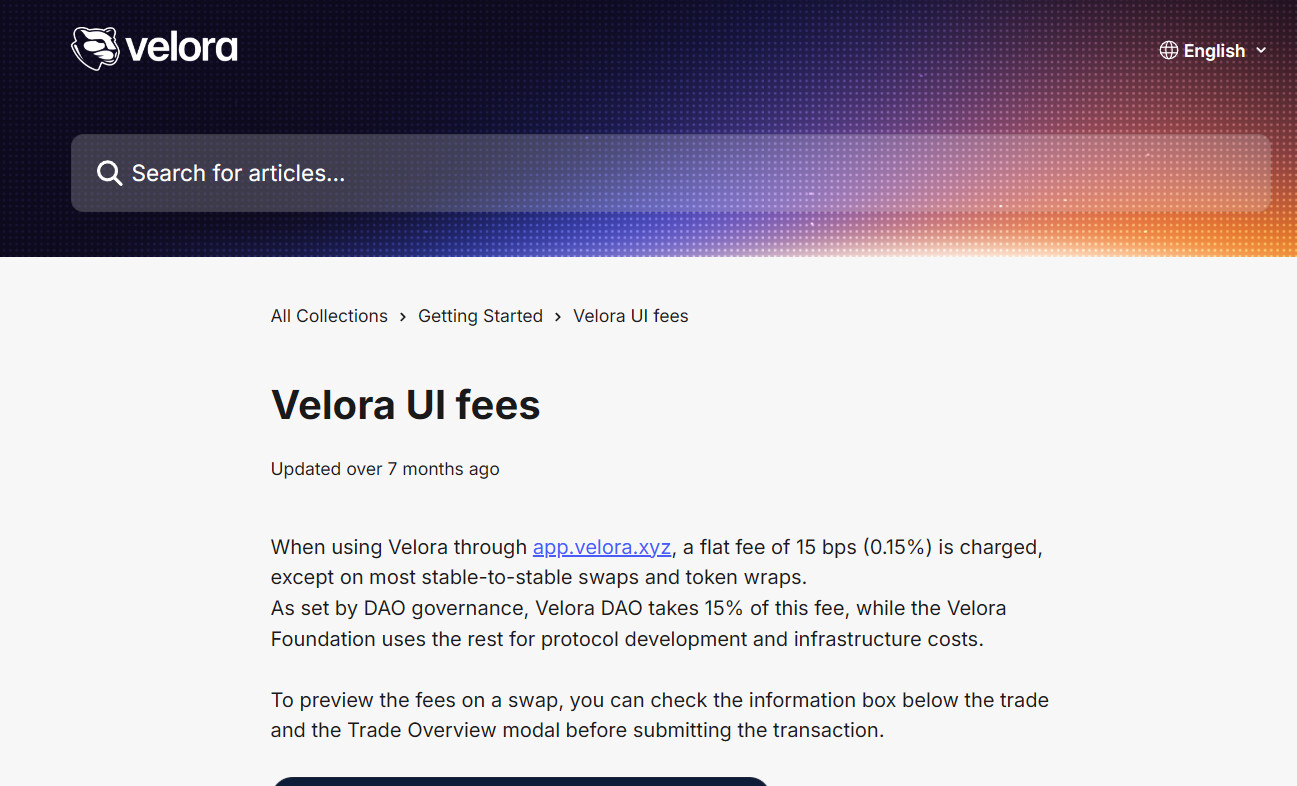
Currently, seVLR is only used for governance-related proposals. The aim here is to introduce another relevant utility for staked token holders: weekly/bi-weekly voting for seVLR holders to decide which specific trading pairs on Velora receive fee advantages (discounts or rebates). This is a utility upgrade, expanding seVLR from passive revenue share to an active right to influence how Velora fees are applied at the pair level.
Important to note (as proposed):
- This does not reallocate fees elsewhere within the protocol.
- It selectively applies fee advantages to the pairs chosen by governance.
This mechanism can target strategic Velora pairs, such as:
- pairs that Velora wants to bootstrap (new assets, new chains, etc.)
- pairs with partners/integrators who would benefit from incremental volume
- pairs where lower fee → meaningful volume response → higher revenue feedback loop
This is a governance-based “volume growth engine” with strong alignment: By letting seVLR holders actively choose these pairs every epoch, the staking asset becomes a capital allocation power, not just a passive revenue share.
How will this idea help VLR growth:
- Increases the value of locking VLR into seVLR (goes from receiving rewards → active influence) - it may even evolve to a “voting incentives market”
- stimulates partners/market makers to acquire seVLR to support their preferred pairs
- creates recurring demand for locking VLR
- selective fee advantages can increase volume → increasing total revenue
(lower fee → higher flow → higher net income)
Mapped KPIs or expected impact:
- seVLR total locked value increase
- increase in volume on pairs selected by vote
- net protocol revenue impact week over week
Preliminary feasibility assessment:
Medium/High feasibility.
The mechanism is aligned with proven veTOKEN governance models in the industry, and the creation of a specific snapshot space for voting is not very complex.
Velora already has infrastructure for fee-based payouts (referral program), so rebates could reuse that pipeline.
How will the idea be implemented?
- Create a new Snapshot space for seVLR Fee Voting
- Define cadence (weekly or bi-weekly)
- Define a cap for the maximum % of fees that can be adjusted each epoch, and which pairs would be eligible
- Vote determines which pairs receive fee advantages for the following epoch
Execution format TBD by governance (both possible):
- discount = lower fee applied at execution
- rebate = refund a portion of the fee post-trade
VLR and other token amounts eventually involved:
No direct VLR/treasury expenditure required.
This uses protocol fee economics, not spending.
Does it require any technical development or additional resources?
Yes — parameter config + UI/UX
- A more detailed study on fees distribution between all trading pairs (trading volume, etc)
- need to enable dynamic fee parameters per pair
- If the rebate model is chosen, integration with the payout pipeline (referral system) may be required
Are there any associated costs or budgets?
Potentially minor engineering scope + design for UI.
No upfront token spend.
Who should be involved in the implementation?
- Velora core contributors (for technical validation)
- Governance tooling owners (Snapshot space setup)
- seVLR holders (voting)
Additional note
This post is meant to spark the conversation. I hope other contributors add their points here so we can check the real feasibility of the proposed solution.